Bathroom Mold Removal in Plano, TX
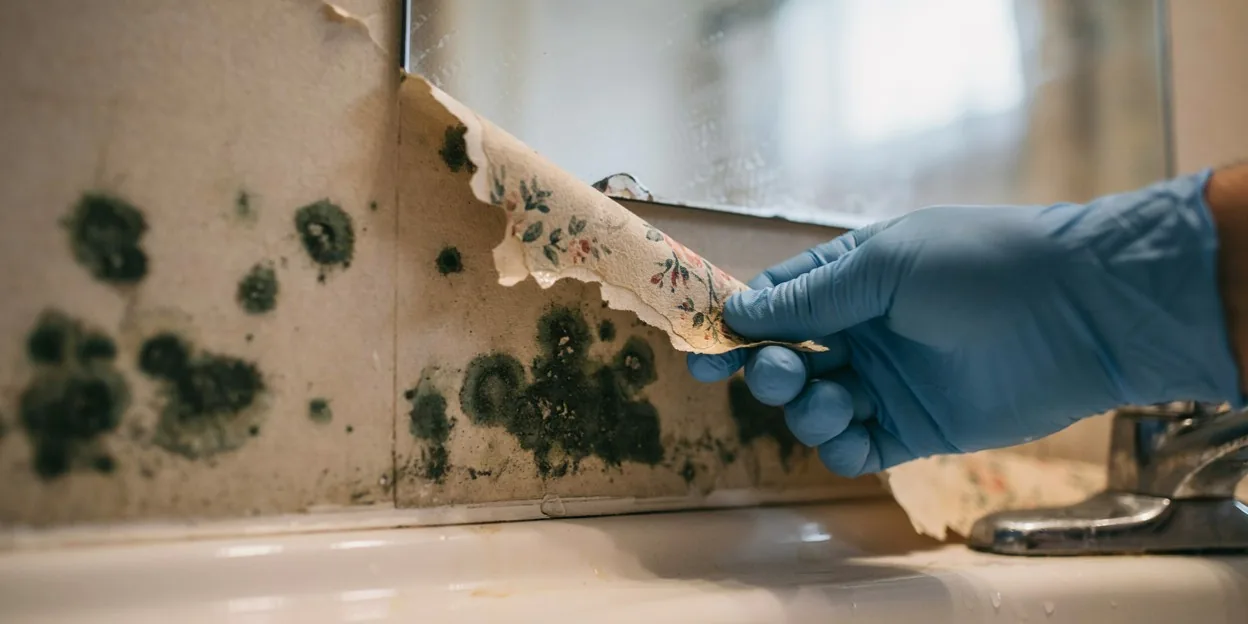
You have scrubbed the grout line where the tub meets the wall four times this year, and each time the black comes back a little higher. Now the vinyl at the base of the toilet is lifting and the subfloor under it gives a little. This is a 1979 hall bath on a slab, and the water is not coming from the shower spray. This site connects you by phone with an independent local provider who does bathroom mold removal in Plano and across Collin County.
Finding the leak behind the tile before the tile comes off
A bathroom that keeps growing mold has a water source the fan cannot fix, and the first visit is spent finding it. The crew meters the wall behind the tub spout, the wall shared with the next room, the floor around the toilet, and the cabinet floor under the vanity. They look at the tub spout and the valve from the access panel if there is one, at the toilet flange and supply, and at the drain in the slab.
On a slab, a leaking shower pan or a cracked drain line under the floor shows up as a damp spot that never dries and a smell that lingers after the fan runs. A tub spout that leaks back into the wall shows as grout that goes black from the top down. Each one points to a different trade before the removal starts.
Stop running the shower and open the cabinet doors
Use another bathroom if you can until someone has looked. Open the vanity doors and the access panel if there is one, and leave the fan running. Photograph the grout, the floor, and anything soft or lifting. Do not spray the black line with bleach and do not pull the vinyl or the baseboard; a wet subfloor opened without plastic sends spores into the hall.
If the stain is on the ceiling and the bathroom has no fan or a fan that vents into the attic rather than outside, note that for the provider; a Plano bathroom from the 1970s often has exactly that setup.
Pan, flange, or spout fixed, then the wet material out
The leak is repaired first, by a plumber if it is a supply, a drain, or a flange, or by a tile contractor if it is a failed pan. Then the removal: plastic across the door, a HEPA scrubber on the room, and the wet drywall, the vinyl, the subfloor around the toilet, and the vanity base if it sat in water come out in bags. The slab and the framing are cleaned and dried until the meter says done.
Tile that is sound and only stained on the grout may stay and be cleaned; tile over wet backer board comes off. A dark patch that has climbed the wall into a bedroom closet on the other side is black mold removal. A smell with no visible growth that lives in the bathroom is mold odor removal. The new drywall, flooring, and trim is mold damage repair.
Hall baths from the Plano building boom, and why their floors go soft
Plano added more than 50,000 people in the 1970s and another 56,000 in the 1980s, and most of those houses have a hall bath with a fiberglass or tiled tub, a toilet on a cast iron or PVC drain set in the slab, and a fan that exhausts into the attic. Forty years on, the drain joints have moved with the clay under the slab, the wax ring has been reset twice, and the fan has lost most of its pull. Those three things together make the hall bath the most common bathroom mold call in the city.
The west Plano and Legacy houses from the 1990s and 2000s fail differently: a frameless shower with a pan that was never flood-tested, or a master bath with a jetted tub whose supply lines are reached only through the wall of the adjacent closet. Bathrooms are small, so many jobs stay under the 25-contiguous-square-foot threshold where Texas requires a TDLR mold remediation license, but a provider holding one anyway is a fair thing to ask about. Plumbing and electrical work inside the city needs a permit through Plano's Building Inspections office.
Calling about a bathroom that will not stay clean in Plano
Have the address, which bathroom, and where the growth is: grout, ceiling, floor, or inside the vanity. Say whether the floor feels soft, whether the fan vents outside, and whether a plumber has been out. Call (972) 787-0657.