Mold Removal in Plano, TX
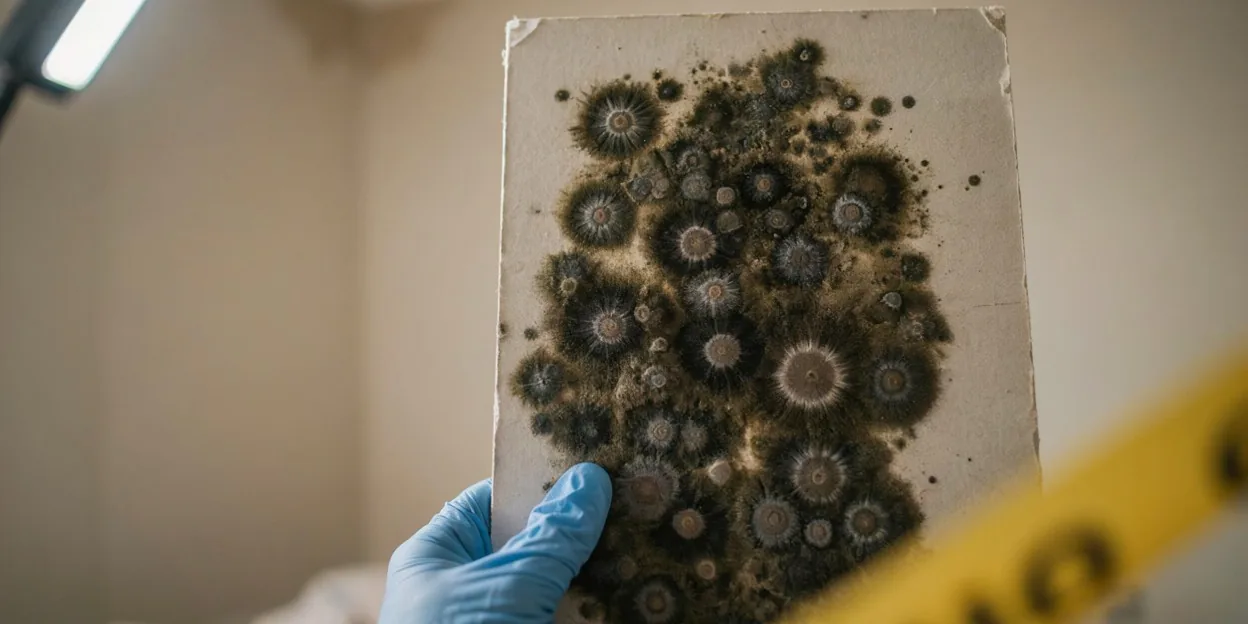
The hallway outside the kids' bathroom has a gray band along the bottom of the wall, and the carpet there feels cool under bare feet in the morning. The house is a 1984 one-story off Independence Parkway, and nothing has ever leaked that you know of. Under that slab, a copper line or a cast iron drain has probably been seeping since the clay shifted last summer. This site connects you by phone with an independent local provider who does mold removal in Plano and across Collin County.
Reading the wall before anyone picks up a saw
Nothing comes out until the wall has been metered. A pin meter on the drywall and a non-invasive meter across the slab tell the crew how far the water has traveled, and under a slab house it has usually gone farther sideways than the stain suggests. They mark that line on the hall side, inside the bathroom, and in the closet that shares the wall.
Then the room is sealed. Plastic goes across the hall opening, the supply and return grilles in that part of the house are taped over, and a HEPA air scrubber is ducted out a window so the work zone runs under negative pressure. Dust from the demolition stays behind the plastic.
Shut the main, keep the air on, put the bleach away
If you suspect a slab leak, turn the water off at the meter box near the curb and watch whether the meter dial keeps turning; if it does with every fixture off, the line under the house is open. Photograph the wall, the carpet, and the baseboard. Do not pull the carpet or the drywall yourself; wet board sheds spores when it tears, and without containment they end up in the return.
Leave the air conditioning running and set the thermostat fan to auto rather than on. Skip the bleach; it wets the paper face and leaves the growth in the gypsum. If the wet spot is in the kitchen or laundry instead of the hall, check under the sink, behind the fridge, and at the washer box before you call.
Pad and drywall to the mark, studs stay if they read dry
Wet drywall, baseboard, carpet pad, and any insulation in the wall come out to a set height above the meter line and go into bags inside the containment. Studs, plate, and slab are kept whenever they meter dry once they have been cleaned. A bottom plate that sat wet for months sometimes has to be cut and replaced, and the crew tells you before they do it.
After demolition every surface inside the plastic is HEPA vacuumed and wiped. Air movers and a dehumidifier run until the framing and the slab read dry, which after a slow slab leak can take most of a week. If the growth has reached the ducts, see HVAC mold cleaning. If several rooms are wet, the job becomes whole-home mold remediation. The drywall and carpet going back is mold damage repair.
Clay under the slab, copper in it, and a plumber in the sequence
Plano's east and central neighborhoods went up in the 1970s and 1980s, during the stretch when the city grew from about 18,000 people to nearly 130,000, and the plumbing of that era ran copper supply lines and cast iron drains through and under the slab. The Blackland clay beneath them swells in a wet March and shrinks in a dry August, and the slab moves with it. Pipes crack at the joints, and a leak under the concrete can run for a year before a floor feels damp.
That is why a Plano mold job almost always has a plumber in it. The provider finds the wet material and removes it; a plumber locates and repairs the line, sometimes by rerouting it through the attic rather than tunneling under the slab. Texas requires a TDLR mold remediation contractor license for jobs over 25 contiguous square feet, and the remediation company cannot be the one that assesses the same project. Rebuilding drywall or moving plumbing inside the city usually needs a permit from Plano's Building Inspections office.
Calling about a damp hallway in Plano
Have the address, which room is wet, and how long the carpet or the wall has looked this way. Say whether the water meter keeps running with everything off, whether a plumber has already found the leak, and whether anyone has painted over the stain. Call (972) 787-0657.