Black Mold Removal in Plano, TX
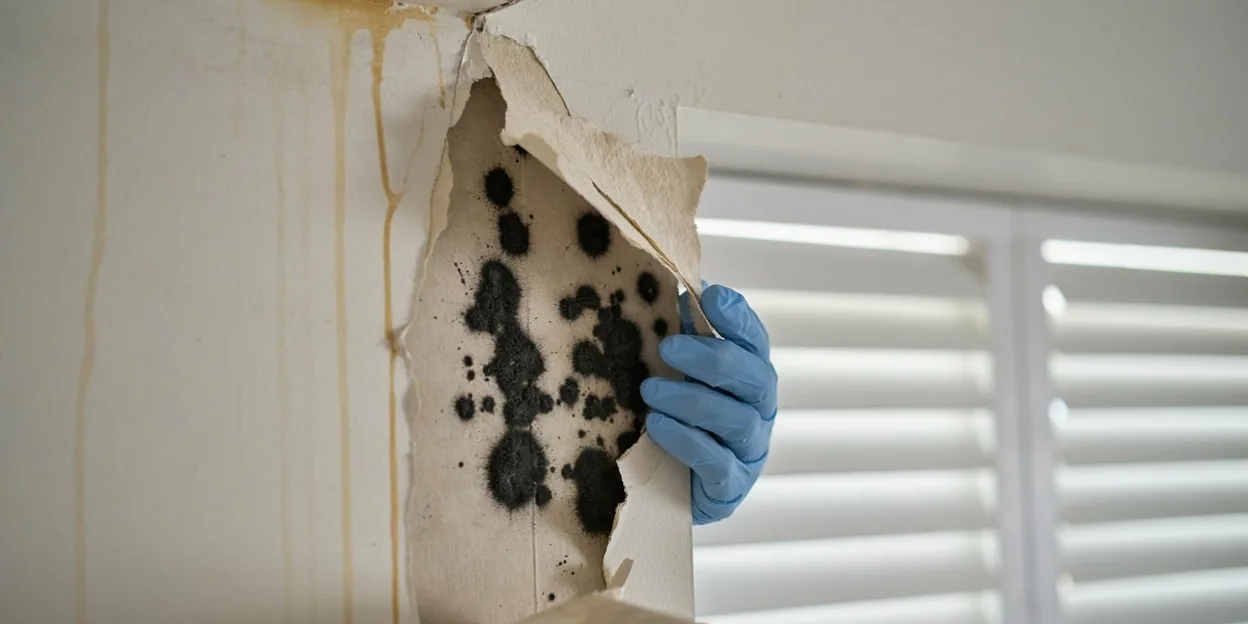
You pulled the washer out to find a sock and the wall behind it is black from the floor to the height of the hose bibs. The washer box has been dripping inside the wall, slowly, maybe since the hoses were last changed. Your first move was to type the color into a search bar. This site connects you by phone with an independent local provider who does black mold removal in Plano and across Collin County.
What the color tells the crew, and what it does not
Dark growth on a wet wall is a reason to act. It is not a diagnosis, and the crew does not need a species name to know what to do. Several common molds turn dark on damp drywall, and the sequence for all of them is the same: find how far the water went, seal the room, take out what is porous, clean what is hard. Texas does not require the company to test before it remediates, and on a visible patch with a known cause, most homeowners skip the lab.
So the first visit is a moisture survey, not a sample. The crew meters the laundry wall, the wall behind it, the floor under the washer, and the cabinet in the room on the other side. The dark patch marks where the mold is thickest. The meter marks where the water is, and that is the line they cut to.
Pull the hoses, not the drywall
Shut the valves at the washer box and move the machine out of the way if you can do it without tearing anything. Photograph the wall and the floor. Do not scrape, spray, or scrub the black area; disturbing a large patch without plastic up spreads it, and bleach on drywall soaks the paper and leaves the growth behind.
Close the laundry door and keep the air conditioning on. If the patch is on a ceiling under the attic, put a bucket under it and check the air handler's drain pan when you get a chance; a full secondary pan in July is the most common reason a Plano ceiling turns dark with no rain in the forecast.
Containment, porous material out, hard surfaces cleaned
Plastic seals the doorway and the grilles, a HEPA scrubber pulls the room under negative air, and the wet drywall comes out to the meter line and goes into sealed bags. Insulation behind it goes too. Studs, the bottom plate, and the slab are HEPA vacuumed and wiped with a cleaner suited to framing, then dried with air movers until the readings come back normal.
The washer box, the valves, and the drain standpipe get looked at while the wall is open, because a wall closed over a weeping box is black again in a year. A dark patch behind a vanity or a tub is bathroom mold removal. A patch on a closet ceiling that traces back to the attic unit is HVAC mold cleaning. The wall going back is mold damage repair.
Why a laundry wall in Plano stays wet long enough to turn black
Plano laundry rooms from the 1980s and 1990s sit on the slab, often between the garage and the kitchen, with the washer box set in an interior wall that shares framing with a pantry or a hall closet. A drip at the box runs down inside the wall, soaks the bottom plate, and spreads under the baseboard into the next room with nothing visible for months. The slab gives the water nowhere to go but sideways.
The other dark-patch call is the ceiling under an attic air handler, which in a Plano summer runs fourteen hours a day in a space that reads 130 degrees. A clogged condensate line fills the primary pan, then the secondary, then the drywall. Hail is the third source: shingles cracked on April 11, 2016 let water onto decking across north Plano, Allen, and Parker, and closet ceilings under those roofs went dark months later. Jobs over 25 contiguous square feet need a TDLR-licensed mold remediation contractor, and the remediator cannot be the one who assesses the same job.
Calling about a black patch in Plano
Have the address, the room where the growth is, and how large the patch looks. Say what is on the other side of that wall or above that ceiling, whether the area has been wet before, and whether anyone has cleaned or painted it. Call (972) 787-0657.